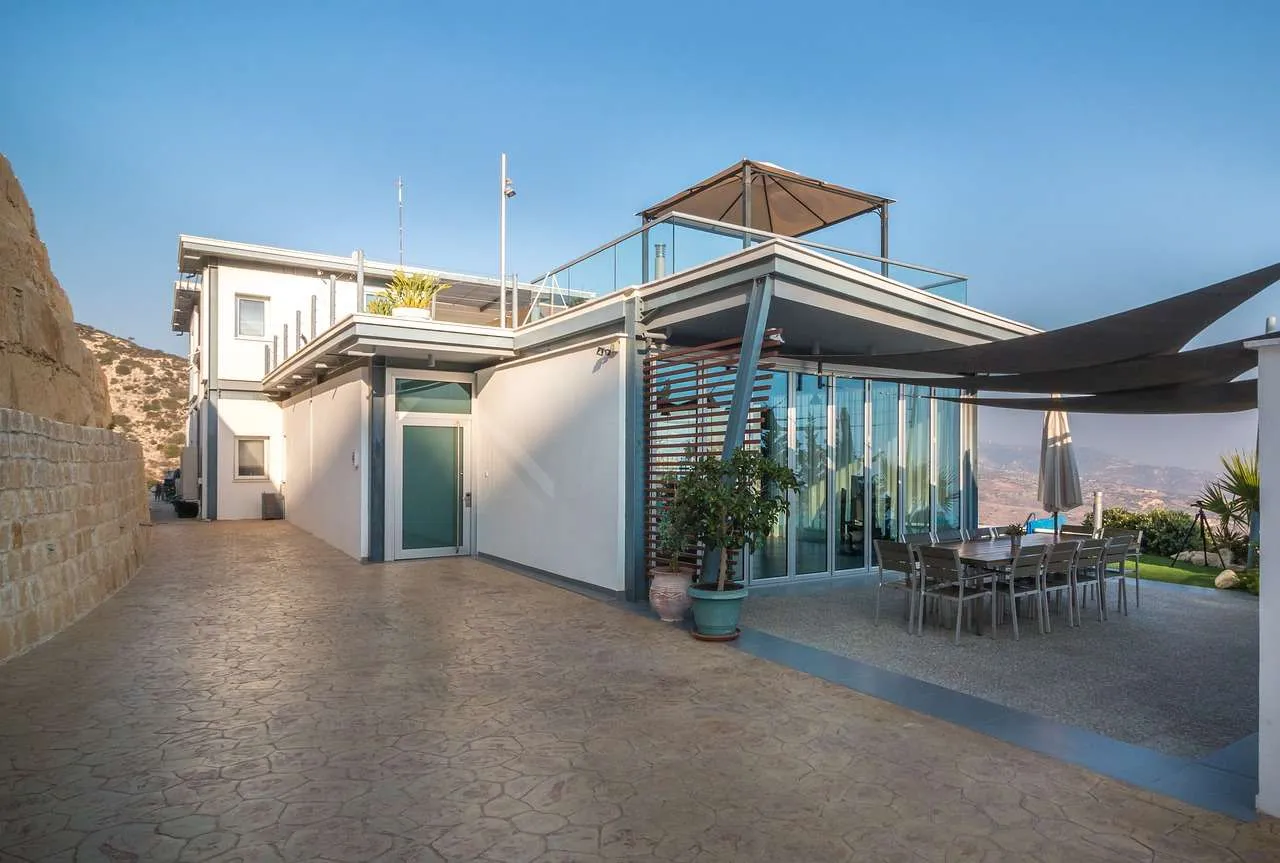
Repair of roofing is a common yet critical task for homeowners. This expert guide explains how to identify damage, choose between repair and replacement, and hire qualified professionals to ensure durable, code-compliant fixes. With clear methods, safety tips, and costs, you can protect your home from water intrusion and extend your roof’s life.
Key signs that repair is needed
Recognizing problems early saves money and prevents structural damage. Look for:
- Active leaks in ceilings or walls after rain
- Missing, curled, or cracked shingles
- Granule loss in gutters or on the ground
- Attic moisture, staining, or mold growth
- Ice dam formation in colder climates
- Exposed flashing or daylight visible from the attic
Repair vs. replacement: key decision factors
Not every roof issue warrants a full replacement. Consider the roof’s age, the extent of damage, warranty terms, and long-term costs. A professional inspection can help determine if localized repairs maintain the roof’s integrity or if replacement offers better value, energy efficiency, and warranty protection.
Common repair techniques
Shingle replacement
For damaged or curled shingles, carefully lift surrounding shingles, remove the bad ones, and install new shingles with appropriate nails and sealant. Re-seal joints to restore waterproofing and wind resistance. This method restores the surface and protects underlayment from exposure.
Flashing and vent repairs
Flashing around chimneys, vents, valleys, and roof penetrations can corrode or deform. Replacing or re-bedding flashing and applying watertight sealant blocks leaks at openings where water tends to pool. Proper flashing is essential for long-term performance.
Leak patches and sealants
Small leaks along seams or near penetrations may be addressed with high-quality roof sealants or patch materials. While effective for minor issues, these patches are often temporary and should be paired with a diagnosis of the underlying cause.
Temporary protection for ongoing rain
During heavy rains or while awaiting a full repair, tarps or roof covers can reduce interior water damage. This is a stopgap measure and should be followed by a professional assessment and permanent repair.
Assessment process and how to hire a pro
To ensure a reliable repair, follow a structured approach:
- Document damage with photos and notes of affected areas.
- Seek at least two written estimates from licensed contractors.
- Verify licenses, insurance (general liability and workers’ compensation), and any local certifications.
- Request references and review past work or online reviews.
- Ask about material options, warranties, and the timeline for the repair.
- Get a detailed contract outlining scope, materials, costs, and cleanup.
Trustworthy roofers follow safety standards, use proper fall protection on slopes, and comply with local building codes. Ask about the manufacturer’s warranty for any repaired components and whether a workmanship warranty is included.
Materials, safety, and maintenance basics
Typical repair materials include asphalt shingles or roof panels, underlayment, flashing, sealants, and fasteners. Safety is non-negotiable: use a stable ladder, harness on steep pitches, and ensure power lines are de-energized when working near electrical fixtures. Regular inspections—twice a year and after major storms—can catch problems early and reduce repair costs over time.
Cost considerations and a simple comparison
Costs vary by roof type, pitch, and location. The table below provides typical ranges to help you plan. All figures are estimates and should be verified with a licensed contractor.
| Repair Type | Description | Pros | Cons | Typical Cost Range (USD) |
|---|---|---|---|---|
| Shingle Replacement | Replace damaged shingles and reseal surrounding area | Restores surface and waterproofing | Labor-intensive on steep roofs | $150-$600 per patch/replacement |
| Flashing Repair | Repair/replace chimney, vent, and valley flashing | Stops leaks at openings | Metal work may require custom fabrication | $200-$800 |
| Leak Patch/Sealants | Seal small leaks along seams or penetrations | Low upfront cost, quick fix | Temporary; may not address root cause | $100-$400 |
| Temporary Tarping | Protects interior during ongoing repairs | Prevents further water damage | Not a repair; requires follow-up work | $50-$150 |
Maintenance to extend roof life
- Schedule biannual inspections and promptly address any found issues.
- Keep gutters clean to prevent water backup and fascia damage.
- Trim overhanging branches to reduce impact and moisture retention on the roof surface.
- Clear debris from valleys and vents to maintain proper drainage.
- Address ice dams early with proper insulation and ventilation in the attic.
Conclusion and next steps
Repair of roofing requires a balanced assessment of damage, cost, and long-term protection. By recognizing signs early, choosing the right repair method, hiring a licensed professional, and following a proactive maintenance plan, you can extend your roof’s life and safeguard your home.
Summary: This article explained how to identify repair needs, compare repair techniques, estimate costs, hire qualified professionals, and maintain your roof to prevent future issues. A thoughtful approach to the repair of roofing enhances safety, value, and longevity for your home.