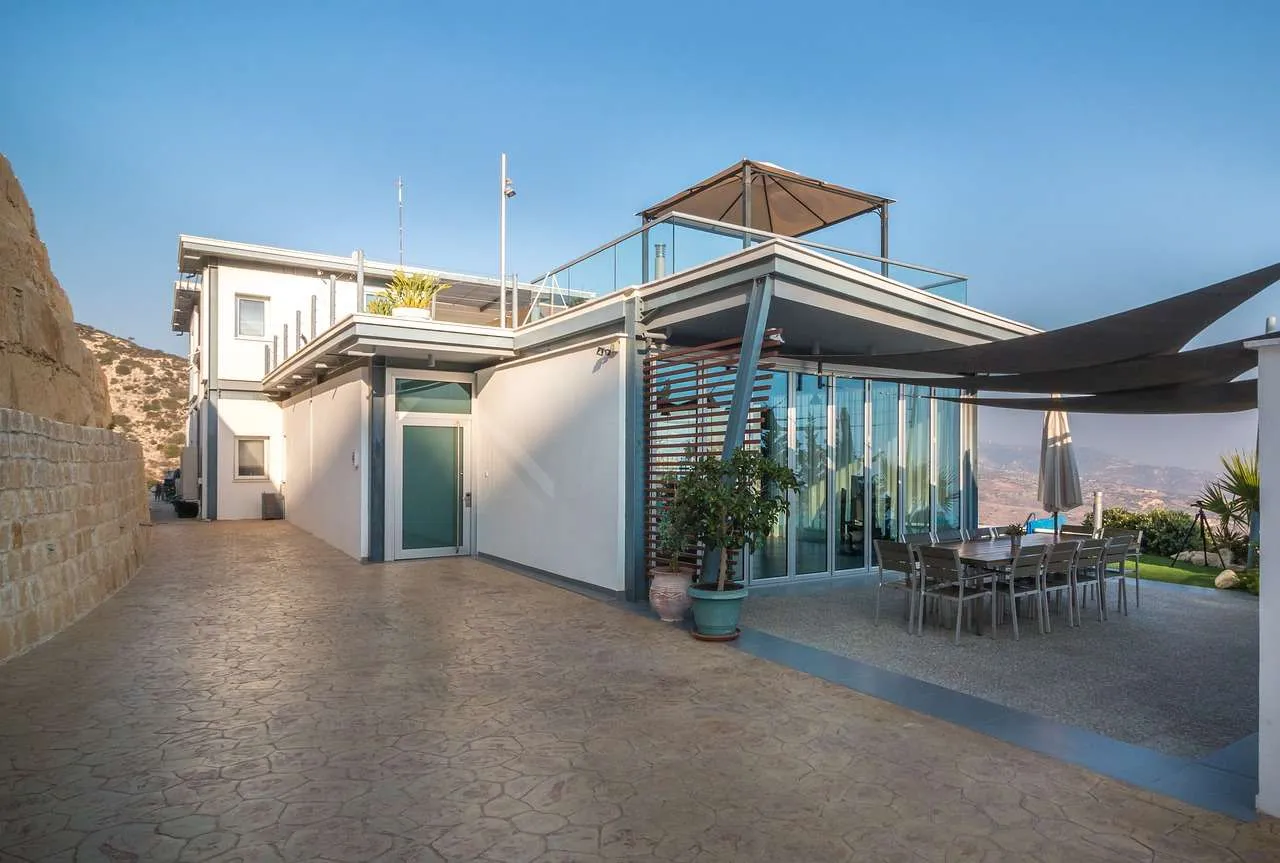
Roofing protects a home from weather, regulates energy use, and supports curb appeal. This guide focuses on roofing and roof repairs, helping homeowners detect problems early, choose repair strategies wisely, and maintain roofs for long-term performance. By combining practical steps with expert guidance, you can evaluate issues, plan repairs, and work with reputable professionals to protect your investment.
Understanding Roofing and Common Problems
Roofs come in various materials and styles, from asphalt shingles to metal, tile, and flat membranes. Regardless of type, several issues recur. Timely recognition of signs can prevent small flaws from becoming major repairs.
Common Roof Problems
- Leaks or water stains on ceilings or walls, often signaling a compromised seal or flashing.
- Curling, cracked, or missing shingles that expose the underlayment to weather.
- Damaged flashing around chimneys, vents, or skylights.
- Ice dams and gutter overflow that cause water to back up under shingles.
- Granule loss on asphalt shingles, indicating aging or storm damage.
Materials and Styles
Asphalt shingles remain common for their balance of cost and durability, while metal offers longevity and wind resistance; tile and slate provide style and durability but require structural support. Flat roofs demand different membranes and flashing details. Repairs vary by material, so a professional assessment tailored to your roof type is essential.
Roof Repair Essentials
Inspecting Your Roof
Regular inspections should occur twice a year and after severe weather. Visually assess from the ground for sagging lines, missing shingles, or damaged gutters. In the attic, look for leaks, daylight through decking, and moisture around joints. Document findings with notes and photos to guide repairs and communications with contractors.
Repair Techniques
Small leaks often respond to resealing with compatible flashing and patching, while shingle or vent boot damage may require replacement. For metal roofs, flashing seams may be resealed or re-fastened; for tile or slate, individual damaged units can sometimes be replaced. In all cases, use compatible materials and ensure proper underlayment before finishing. If structural damage or widespread rot is present, replacement sections or entire roof sections may be needed.
Cost Considerations
Repair costs depend on material, extent of damage, and labor. Typical one-time repairs may range from a few hundred dollars for a minor leak to several thousand for extensive flashing or shingle replacement. For mid-range asphalt roofs, a common repair project might fall between $300 and $1,500, while more complex jobs or high-end materials can increase the cost. Always obtain written estimates from licensed professionals and verify what is covered by warranties.
Preventive Maintenance and Long-Term Care
Proactive care protects roof health and extends life. Consider these practices:
- Schedule seasonal inspections to catch issues early.
- Maintain clean gutters and downspouts to prevent water backup.
- Trim overhanging branches to minimize impact from falling limbs and moss growth.
- Ensure attic ventilation and insulation are adequate to prevent condensation and ice dams.
- Address moss or algae growth promptly with appropriate cleaners compatible with your roofing material.
Engaging a licensed contractor for major maintenance or repairs provides assurance of proper installation, materials, and workmanship, and often includes warranties that protect your investment.
DIY vs Professional Roof Repairs: A Practical Comparison
| Aspect | DIY | Professional Roofing Service |
|---|---|---|
| Safety & Skill | Lower risk awareness; suitable for small, simple tasks on ground level or with proper fall protection and training | Licensed, insured crew with safety equipment and experience on various roof types |
| Time & Efficiency | Typically longer; depends on your availability and weather | Faster completion with coordinated teams and contingencies for weather |
| Warranty & Longevity | Limited or no warranty; DIY materials may not be covered | Workmanship warranties; manufacturer warranties on materials maintained through proper installation |
| Cost | Lower upfront costs but higher risk of incorrect work | Higher upfront cost but reduced risk and potential long-term savings |
| When to Hire | Use for small, non-structural tasks or cosmetic fixes only | Necessary for structural repairs, complex flashing, or roofs with steep pitches |
Conclusion
Roofing and roof repairs demand a balanced approach that combines early detection, careful repair choices, and ongoing maintenance. By understanding your roof type, recognizing warning signs, and knowing when to call a licensed pro, you can protect your home, optimize energy efficiency, and safeguard your investment. Regular inspections, prudent replacement decisions, and clear communication with reputable contractors are the keys to a durable, long-lasting roof.
Conclusion, applying these practices will help you maintain a safe, efficient, and aesthetically pleasing roof for years to come.