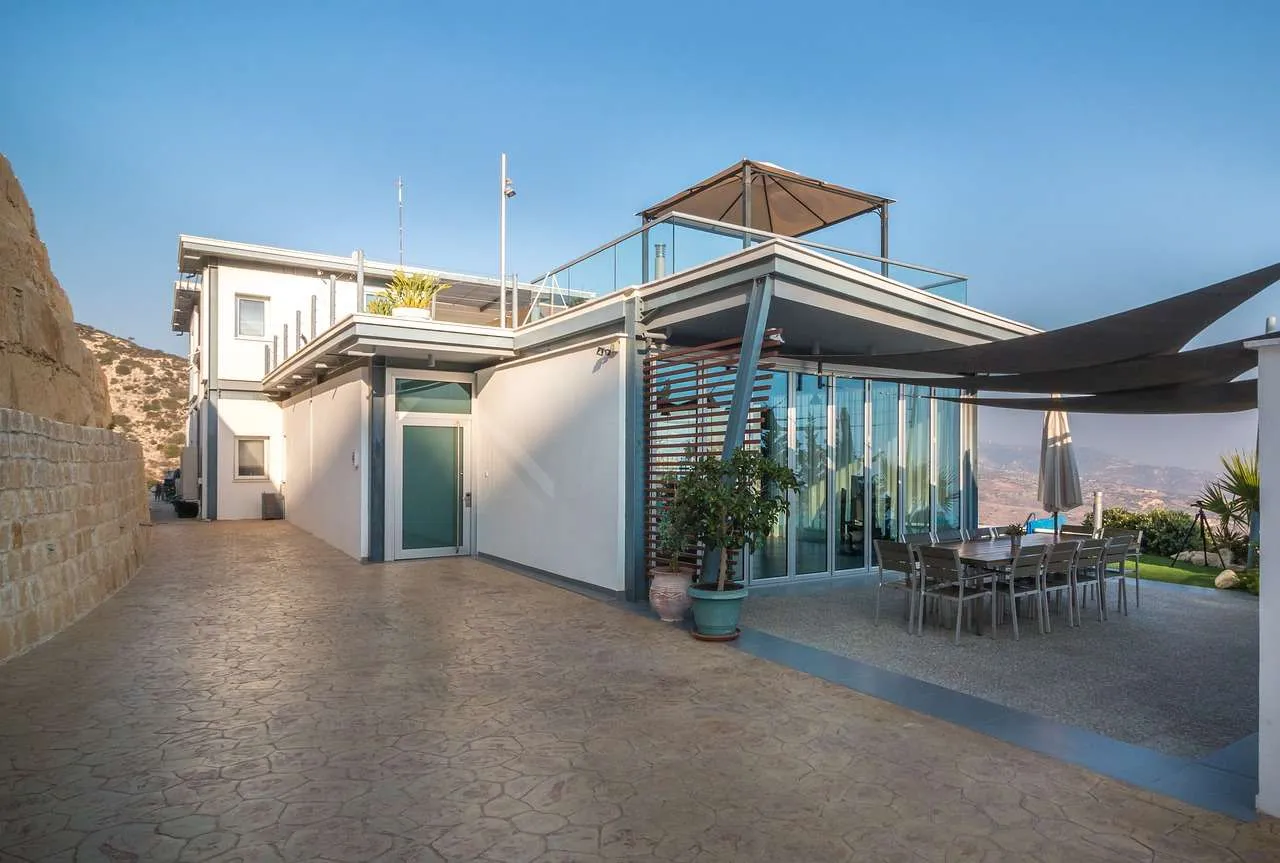
What is TPO Roofing
tpo roofing, short for thermoplastic polyolefin, is a popular single-ply membrane used on flat and low-slope roofs. Its heat weldable seams, reflective surface, and affordability have made it a go-to choice for commercial buildings and increasingly for residential projects. Modern tpo roofing membranes come in white and light colors that reflect sunlight, helping reduce cooling costs while providing durable waterproofing. A professional installer will heat-weld seams for a strong, continuous barrier that resists water intrusion.
Benefits of TPO Roofing
- Energy efficiency: highly reflective surfaces reduce cooling loads and can lower utility bills in hot climates.
- Cost effectiveness: typically lower installed costs than PVC while offering solid durability.
- Flexibility and repairability: membranes adapt to roof moves and can be repaired with heat-welding techniques.
- Lightweight and easy installation: quick installation translates to fewer roof disruptions during projects.
- UV resistance and weather performance: designed to resist UV exposure, ozone, and temperature fluctuations.
- Eco-friendly options: many tpo roofing products are recyclable at end of life and come from reduced-odor formulations.
Types and Installation Considerations
tpo roofing comes in different installation styles, including mechanically attached, fully adhered, and loose-l laid or ballasted systems. The choice depends on roof structure, climate, and building use. A qualified contractor should assess substrate condition, drainage, and flashing needs before selecting the membrane and installation method. Because tpo roofing uses heat-welded seams, proper equipment and trained technicians are essential for a reliable seal and long-term performance.
Installation Steps and Best Practices
Key steps typically include a thorough roof inspection, substrate cleaning, membrane acclimation, and final seam welding. Contractors will inspect penetrations, curbs, and edge details to ensure watertight flashing. Regular quality checks during installation help prevent future leaks. To maximize lifespan, schedule post-installation inspections, especially after weather events or major temperature swings.
Costs, Lifespan, and Maintenance
Costs for tpo roofing vary by region, roof size, and chosen installation method. Typical installed costs range from moderate to upper mid-range per square foot, reflecting material and labor. Lifespan is influenced by climate, maintenance, and warranty coverage, with many roofs lasting 15 to 20 years or more under favorable conditions. Maintenance is generally low-cost and includes periodic cleaning, debris removal, and prompt repair of any membrane damage to prevent water intrusion. Proper maintenance helps preserve reflectivity and energy savings over time.
Choosing a Contractor and Warranties
For tpo roofing, select a licensed contractor with experience in single-ply membranes and heat welding. Verify manufacturer certifications and check references, project photos, and local installations. Warranty options typically include a material warranty (covering manufacturing defects) and a workmanship warranty (covering installation). A strong warranty, along with documentation of substrate prep and seam quality, provides assurance against leaks and premature failures. Ask about post-installation maintenance guidance to maximize the roof’s performance duration.
Comparison and Summary: TPO vs Other Membranes
| Material | Lifespan (typical) | Energy Efficiency | Installation Type | Cost (installed per sq ft) | Repairability |
|---|---|---|---|---|---|
| TPO | 15–20+ years | Excellent reflectivity | Heat welded seams; can be mechanically attached or fully adhered | Moderate | Good; seamless repairs possible |
| PVC | 20–30 years | Excellent reflectivity and durability | Heat welded seams | Higher | Excellent; durable seams |
| EPDM | 25–30+ years | Moderate reflectivity unless white option chosen | Typically mechanically attached or fully adhered | Lower | Good; repairs are common but patching can be visible |
Frequently Asked Questions
Is tpo roofing suitable for all climates?
tpo roofing performs well in many climates, especially where heat reflection reduces cooling loads. In extreme environments, choosing the right membrane color and insulation strategy is important to optimize performance and longevity.
How long does a TPO roof installation take?
Project duration depends on roof size, complexity, and weather. A small commercial or residential flat roof may take a few days, while larger installations can span several weeks. A prepared site and a skilled crew help keep timelines on track.
What maintenance helps extend a TPO roof life?
Regular debris removal, routine inspections after storms, prompt repairs of any punctures or seam separations, and keeping flashings sealed are key practices. Avoid using harsh chemical cleaners that may degrade the membrane.
Conclusion, tpo roofing offers a balanced solution combining energy efficiency, cost effectiveness, and ease of installation when carried out by qualified professionals. By understanding membrane types, installation methods, warranties, and maintenance requirements, homeowners and building managers can select a system that fits climate, budget, and long-term goals while ensuring EEAT through credible contractors and clear documentation.